
A Beginners Guide to Installing Home Audio Systems
A great sound setup can transform how you enjoy music, movies, and games at home. For many people, however, the idea of installing speakers, receivers, and cables feels intimidating. The good news is that with a bit of planning and patience, even a first-timer can achieve impressive results. This guide walks you through the fundamentals so you can approach the process with confidence and make smart decisions from the start when exploring home audio systems.
Understanding Your Space and Goals
Before you buy a single component, take time to evaluate the room where your system will live and what you expect from it. Room size, shape, and furnishings all influence how sound behaves.
A small living room with soft furniture absorbs sound differently than a large, open space with hardwood floors. Measure the room and note where doors, windows, and power outlets are located, since these details affect speaker placement and cable routing.
Equally important is clarifying how you plan to use the system. Some beginners want immersive movie audio, while others prioritize music clarity or a balance of both. Deciding this early helps you avoid overspending on features you will not use. A simple stereo setup may be perfect for casual listening, while a surround configuration makes sense for home theater fans. Understanding these goals keeps the installation focused and manageable, rather than overwhelming.
Another factor to consider at this stage is how sound may travel beyond the room itself. Shared walls, nearby bedrooms, or apartment living can influence how loudly you can enjoy your setup and whether you should plan for sound isolation. Rugs, curtains, and wall décor can help control reflections and reduce echo, often improving sound quality without additional equipment.
Choosing Components and Planning the Layout
Once you understand your space and priorities, it is time to select components that work together. At the heart of most setups is a receiver or amplifier, which powers the speakers and manages audio sources. Make sure the receiver can handle the number of speakers you plan to use and supports the devices you already own, such as televisions, streaming boxes, or turntables.
Speakers deserve special attention. Front speakers should be positioned at ear level when seated, with enough distance between them to create a wide soundstage. If you add a center speaker, place it directly above or below the television for clear dialogue. Surround speakers typically sit slightly behind the main listening position. A subwoofer can go in several locations, but corners often enhance low-frequency impact. Planning this layout on paper first reduces guesswork and saves time during installation.
Cable management is another detail beginners often underestimate. Choose cables long enough to reach comfortably without stretching, and plan discreet paths along walls or under furniture. This step improves both performance and aesthetics. Thoughtful preparation is one of the biggest differences between a frustrating experience and a smooth introduction to home audio systems.
Installation, Calibration, and Fine-Tuning
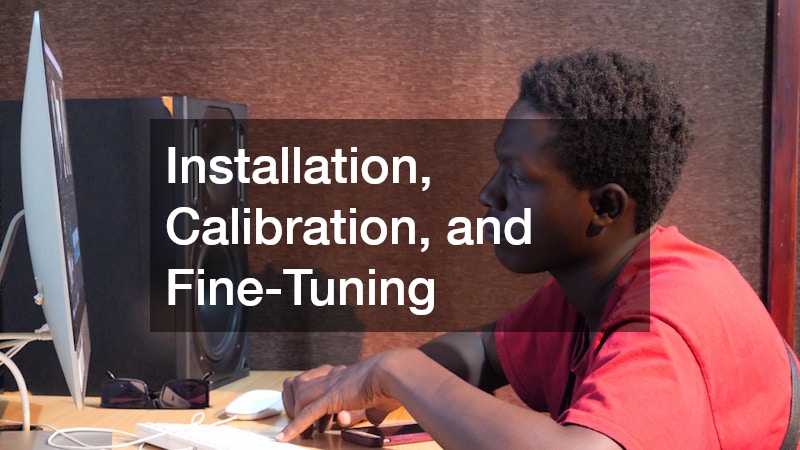
With components selected and the layout planned, the actual installation becomes far less daunting. Start by placing speakers according to your plan, then connect them to the receiver while everything is powered off. Labeling cables as you go can prevent confusion later. Once connections are complete, power on the system and confirm that each speaker is working correctly.
Most modern receivers include built-in calibration tools that use a microphone to measure room acoustics. Running this setup helps balance volume levels and adjust timing so sound reaches your ears simultaneously. Even if you prefer manual adjustments, automated calibration provides a solid baseline. Take time to listen to familiar music or movie scenes and make small tweaks. Slight changes in speaker angle or distance can have a noticeable effect.
Do not rush this stage. Fine-tuning is where the system begins to feel personalized rather than generic. Trust your ears and make adjustments gradually. The goal is not perfection on the first day, but steady improvement as you learn how your room responds to sound.
Installing a home audio setup does not require professional skills or specialized tools, just careful planning and a willingness to learn. By understanding your space, choosing compatible components, and taking time to calibrate and adjust, you can create an enjoyable listening environment that grows with your experience. With patience and practice, even beginners can feel confident working with home audio systems and enjoy richer sound throughout their home.
